What to Do After a Car Accident: A Step-by-Step Checklist
Stay calm and protect yourself. A clear checklist for the scene, the claim, and the days that follow, plus how an accident may affect your rate.
Even a minor fender bender can be stressful. Knowing what to do ahead of time helps you stay safe, protect your rights, and make the claims process smoother. Save this checklist, or keep a copy in your glove box.
At the scene
- Check for injuries. Call 911 immediately if anyone is hurt. Your safety comes first.
- Move to safety. If the vehicles can be moved and it's safe to do so, pull to the shoulder. Turn on your hazard lights and use cones or flares if you have them.
- Call the police. Many states require a police report for accidents involving injuries or significant damage. A report is helpful for any claim.
- Exchange information. Get each driver's name, phone number, address, driver's license number, license plate, vehicle make and model, and insurance company and policy number.
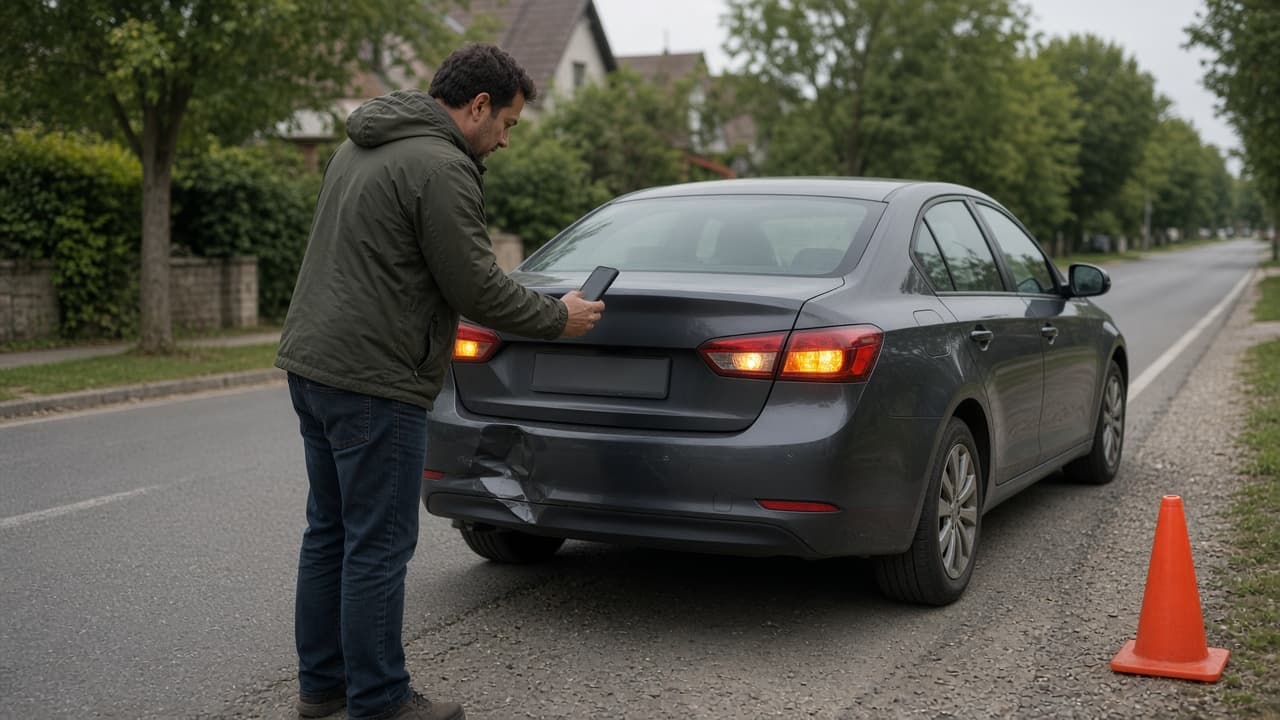
- Document everything. Take photos of all vehicles, damage, license plates, the surrounding area, road conditions, and traffic signs. Note the time and location.
- Talk to witnesses. Ask for names and contact information from anyone who saw what happened.
- Don't admit fault. Be polite and factual, but avoid statements like "It was my fault." Fault is determined later by insurers and, if necessary, the courts.
After you leave the scene
- Notify your insurer promptly. Most policies require timely notice. Many insurers let you start a claim by app, website, or phone.
- Seek medical attention. Some injuries don't show symptoms right away. Keep records of all treatment.
- Keep organized records. Save the police report number, claim number, adjuster contact info, repair estimates, receipts, and correspondence.
- Understand your coverage. Review whether you have collision, rental reimbursement, MedPay or PIP, and what your deductible is.
Should you file a claim for a minor accident?
If no one was injured and damage is minimal, some drivers choose to pay out of pocket to avoid a potential rate increase. However, if another party is involved, you should still notify your insurer according to your policy terms, because injuries or damage claims can surface later. When in doubt, ask your insurer or a licensed agent.
How an accident can affect your rate
An at-fault accident often leads to a higher premium at renewal, typically for three to five years. Not-at-fault accidents generally have less impact, though practices vary by insurer and state. Some policies include accident forgiveness for a first incident.
If your rate goes up after an accident, it's a good time to compare. Insurers weigh accident history differently.
The bottom line
Stay safe, document thoroughly, notify your insurer, and keep good records. And if your premium changes afterward, compare your options to make sure you're still getting a fair price.
This article is for general educational purposes only and does not constitute insurance, legal, or financial advice. Coverage options, discounts, and rating rules vary by insurer and state. Consult a licensed insurance professional for advice about your specific situation.